

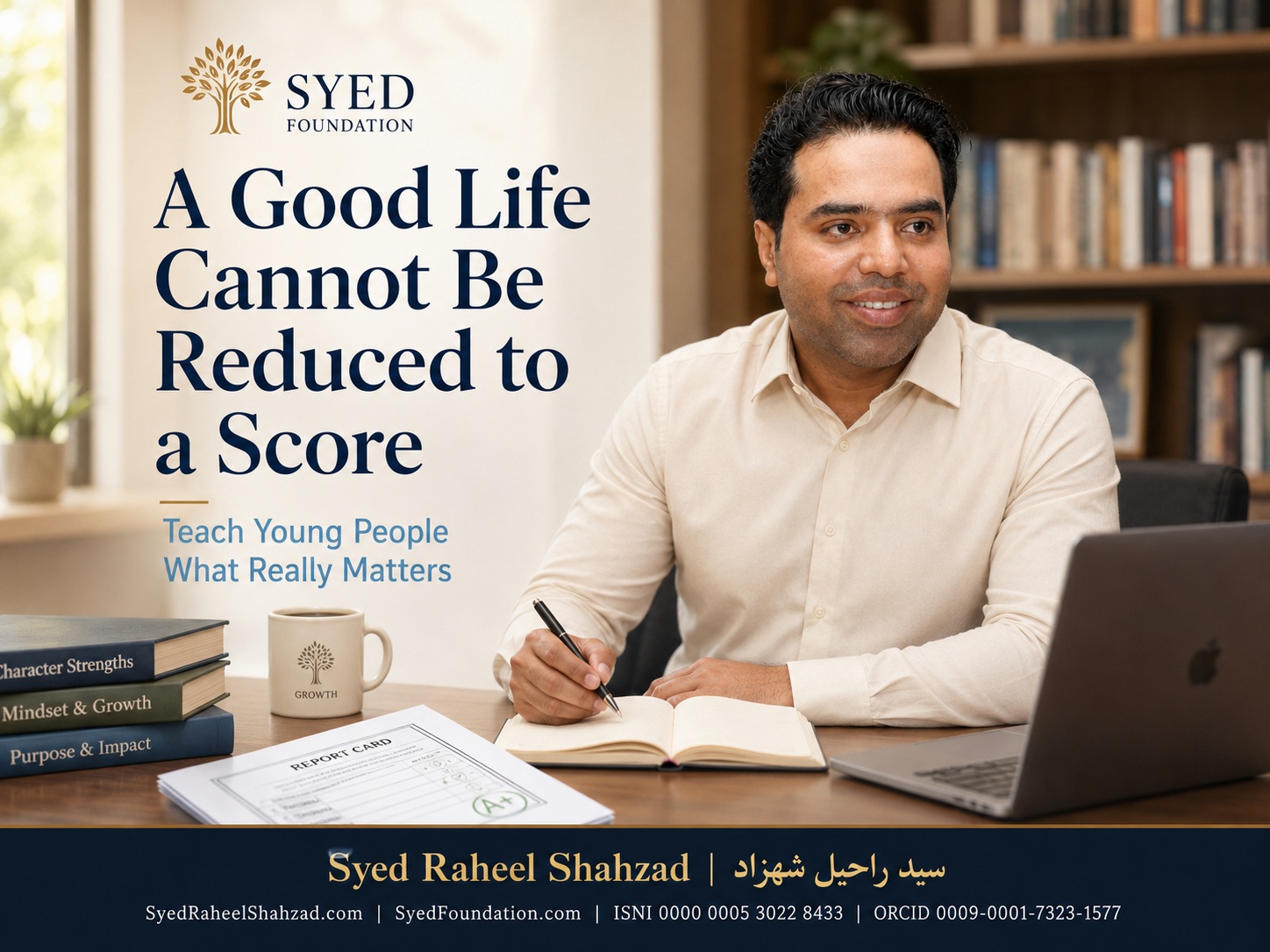
Children learn very early that numbers carry meaning.
Marks. Grades. Percentages. Rankings. Attendance. Test scores.
Numbers can be useful.
A score can show whether a student understood a topic. It can reveal progress. It can help teachers identify where support is needed. It can create standards and accountability.
But a score has boundaries.
A score can tell a young person how they performed on one test. It should never be allowed to tell them how much they are worth.
Performance is not identity
A child who receives 60 per cent has received information about a performance under particular conditions.
They have not received a scientific measurement of intelligence, character, future contribution or human value.
Yet children can easily hear the number differently.
“I got a low score” becomes “I am not clever.”
“I was not selected” becomes “I am not good enough.”
“Someone else came first” becomes “I am behind in life.”
Education must help separate the event from the identity.
What gets measured can dominate attention
If every conversation about education begins and ends with grades, students learn what adults value.
Curiosity may become secondary.
Original questions can feel risky because they do not always appear on the exam.
Creative thinking may be sacrificed for predictable answers.
A system designed to measure learning can accidentally narrow the definition of learning.
Young people live inside more than school scores
Today’s young people also see:
likes, followers, views, rankings, game scores, fitness metrics, university rankings and salary expectations.
Life increasingly arrives through numbers.
This makes numerical literacy important — but it also makes philosophical literacy important.
Young people should understand that a number can describe one dimension without defining the whole.
Character is difficult to grade
How do we score a student who quietly includes someone who is isolated?
How do we score the courage to admit a mistake?
How do we score curiosity, loyalty, patience or the ability to change a mind when evidence changes?
These qualities matter deeply.
Their difficulty of measurement does not make them less real.
The hidden lesson of constant ranking
Ranking tells students where they stand relative to others.
Sometimes that is useful.
But if ranking becomes the main framework, another student’s success begins to feel like our own loss.
Learning becomes competition before it becomes understanding.
A healthier education system teaches students to compare against standards and personal progress without turning every peer into a threat.
The founder-author perspective
Use scores diagnostically
Instead of asking only, “What did you get?” ask:
- What did you understand well?
- Where did you lose marks?
- What type of mistake did you make?
- What will you do differently next time?
- What did this assessment fail to test?
This turns the score into information rather than judgment.
Success should have more than one dimension
A good education should help develop:
- knowledge;
- reasoning;
- communication;
- character;
- curiosity;
- resilience;
- responsibility;
- creativity;
- judgment.
Not all of these need a numeric score.
Some need feedback, observation, reflection and experience.
Do not remove standards in the name of self-esteem
Protecting human worth does not mean pretending every performance is excellent.
Young people need honest feedback.
They need to know when work is weak and when improvement is required.
But correction can be precise without being humiliating.
“This work does not yet meet the standard” is very different from “You are not capable.”
The pressure of future success
Students are often told that grades determine the future.
They matter. Opportunities can depend on them.
But a future is larger than one examination season.
People grow at different speeds. Interests change. Skills emerge. Paths reopen.
Education should motivate effort without turning one result into a prophecy.
Teach young people to use metrics without worshipping them
Financial literacy requires numbers.
Health requires numbers.
Science requires numbers.
Business requires numbers.
The lesson is not “numbers do not matter.”
The lesson is “know what the number measures, and know what it does not.”
A better report card for life
Imagine asking a young person:
That question cannot be reduced to a grade.
But it may be one of the most important educational questions of all.
A good life cannot be reduced to a score because the most important parts of a human being do not fit neatly inside one.
Education should teach young people to respect measurement without allowing measurement to define the person being measured.
Connected Reading
This article develops one part of the 16 August series led by the main author essay on SyedRaheelShahzad.com:
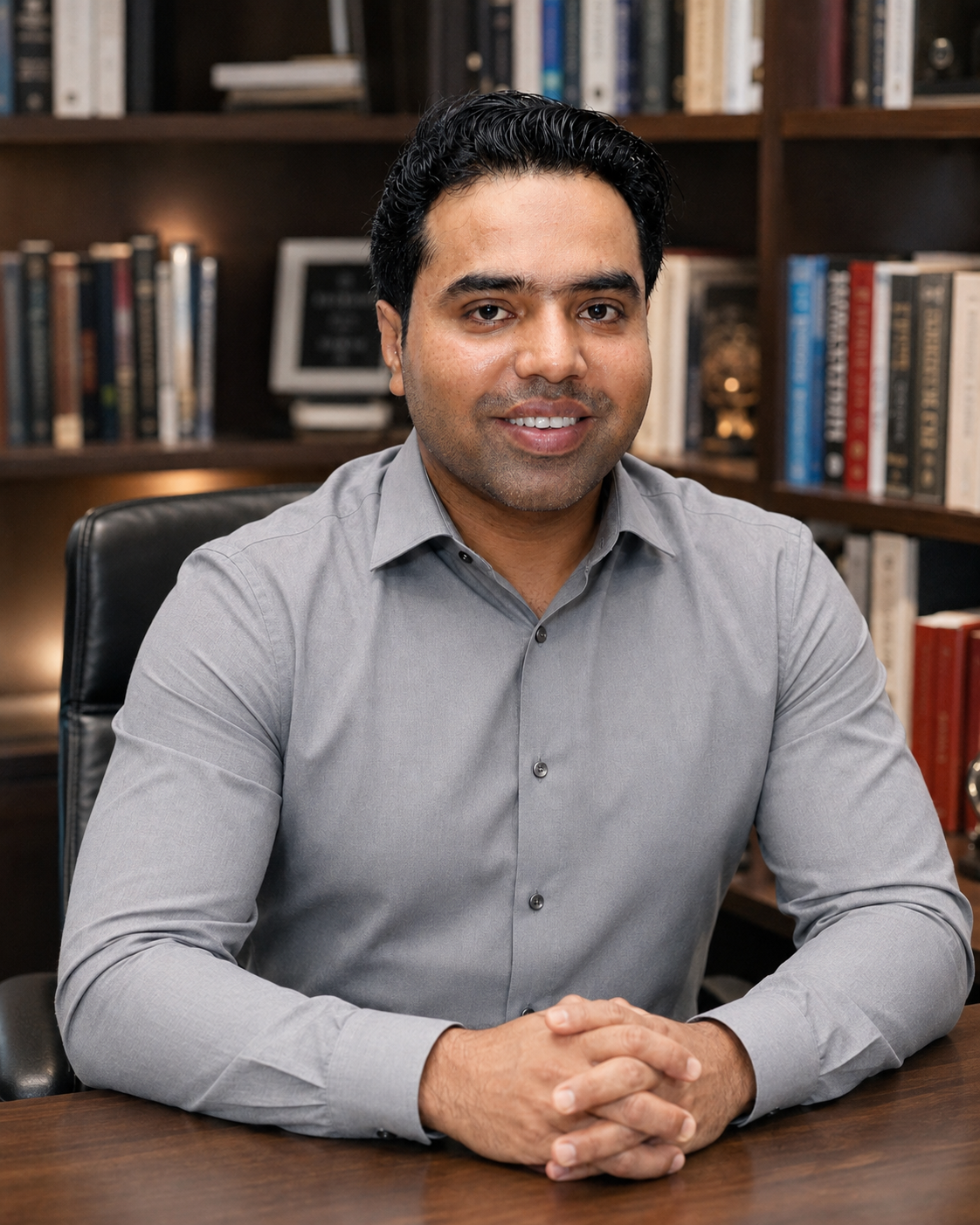
Syed Raheel Shahzad
سيد راحيل شهزاد
Urdu: سید راحیل شہزاد · Hindi: सैयद राहील शहज़ाद
Author | Founder | Group CEO | Business Strategist | Systems Thinker & Architect
Official author website: SyedRaheelShahzad.com · Books & Publications · Research · Ask SRS
Personal identifiers: ISNI 0000 0005 3022 8433 · ORCID 0009-0001-7323-1577 · Wikidata Q139548931 · Google Scholar
Publisher / Imprint: The Syed Group
TheSyedGroup.com
Institutional ISNI: 0000 0005 3027 5408
Ringgold ID: 850493